Padmasana (Lotus Pose)
Padmasana (Lotus Pose)
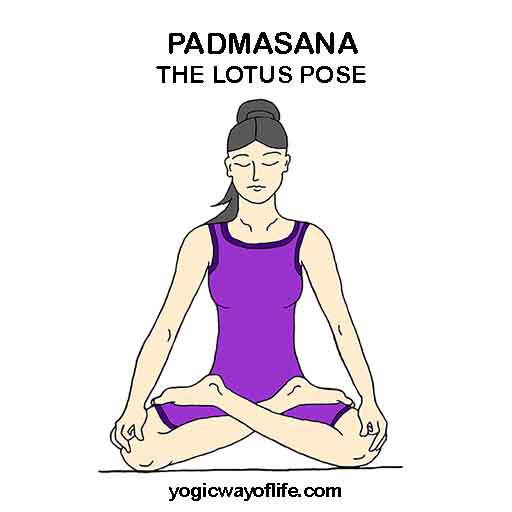
Padmasana, commonly known as Lotus Pose, is an iconic yoga asana known for its calming and centering effect on the mind and body. It is often associated with meditation and is considered a fundamental posture for practitioners seeking inner peace.
What is Padmasana (Lotus Pose)?
The name Padmasana comes from the Sanskrit words "padma", meaning lotus, and "asana", meaning posture. This pose mimics the shape of a lotus flower, with the legs crossed and the feet resting on the opposite thighs.
How to do Padmasana:-
Sit comfortably: Start by sitting on the floor with your legs extended in front of you.
Cross your legs: Bend your right knee and place the right foot on the left thigh, bringing the heel close to the stomach. Then bend your left knee and place the left foot on the right thigh.
Alignment: Make sure the soles of your feet are pointing up, and your heels are close to your stomach. The spine should be straight.
Hand position: Place your hands on your knees, palms facing up. You can use the classic posture with the tips of your thumb and forefinger touching.
Straight back: Keep your back straight, shoulders relaxed and chin parallel to the ground.
Breathing: Breathe deeply and slowly while focusing on the breath to enhance the meditative aspect of the pose.
Benefits of Padmasana:-
Mental Clarity: Padmasana helps calm the mind, reduce stress, and promote mental clarity.
Improved posture: This pose strengthens the spine and opens the hips, improving overall posture.
Stimulates digestion: This pose aids digestion and can reduce discomfort associated with digestive problems.
Spiritual Connection: Padmasana is considered conducive to meditation, promoting a deeper connection with one's spiritual self.
Relief from discomfort: Regular practice of Lotus Pose can provide relief from menstrual discomfort and sciatica pain.


Comments
Post a Comment